
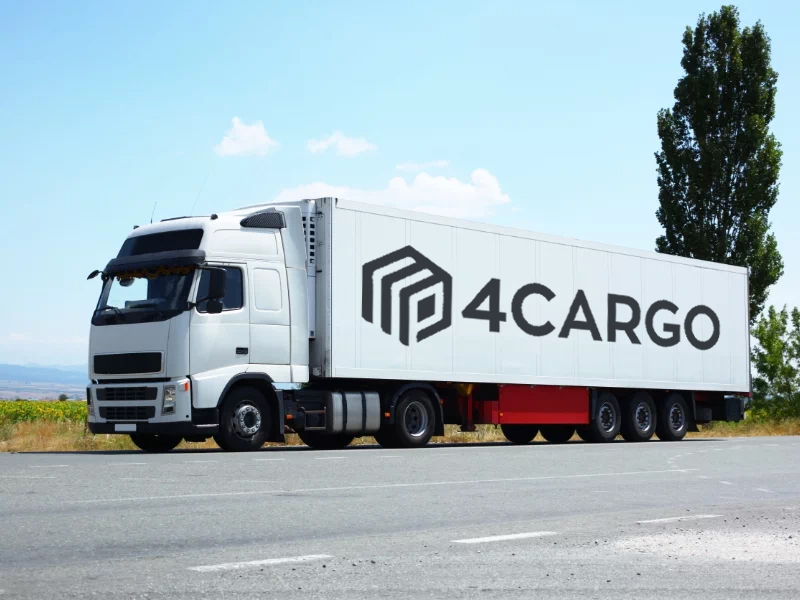
Refrigerated transport is a crucial element of modern logistics, especially for the food, pharmaceutical, and chemical industries. It allows for the safe transportation of goods that require controlled temperatures. In this blog post, we will discuss the most important aspects of refrigerated transport, its significance, technologies, and key challenges.
What is Refrigerated Transport?
Refrigerated transport is a specialized transport service aimed at maintaining the proper temperature of transported goods throughout the journey. This is achieved using vehicles equipped with refrigeration units and temperature monitoring systems.
Key industries using refrigerated transport
- Food Industry: Transporting fresh products such as fruits, vegetables, meat, dairy, and fish requires maintaining appropriate temperature conditions to prevent spoilage.
- Pharmaceuticals: Many medicines and vaccines must be stored and transported under strictly controlled conditions to maintain their effectiveness.
- Chemicals: Some chemicals require stable temperatures to prevent dangerous chemical reactions.
Technologies used in refrigerated transport
- Refrigeration Units: These are devices installed in vehicles that ensure the proper temperature inside the trailer. They can be powered by the vehicle or an external power source.
- BOX Trailers: Specially designed trailers with an insulating layer that minimizes heat exchange with the environment.
- Temperature Monitoring Systems: These allow continuous tracking of the temperature inside the trailer in real time, which is crucial to ensure that transported goods are kept in the right conditions.
Challenges in refrigerated transport
- Maintaining temperature continuity: One of the biggest challenges is ensuring that the temperature inside the trailer does not change throughout the transport process. Even a short interruption in cooling can lead to the damage of transported goods.
- Proper route planning: Delays and long stops should be avoided as they can affect the temperature inside the trailer.
- Operational costs: Refrigerated transport is more expensive than regular transport due to the high costs associated with operating and maintaining refrigeration equipment.
- Regulations and compliance: Companies must adhere to numerous regulations concerning refrigerated transport, both national and international.
Why choose 4CARGO for refrigerated transport?
4CARGO is a company with many years of experience in the transport industry, specializing in refrigerated transport. We offer modern technological solutions that guarantee the safety and freshness of transported goods. Our team consists of qualified specialists who take care of every detail to deliver your products on time and in perfect condition.
Conclusion
Transport chłodniczy jest niezbędny dla wielu branż, a jego skuteczne przeprowadzenie wymaga odpowiednich technologii, planowania i wiedzy. Wybierając 4CARGO, możesz być pewien, że Twoje produkty są w dobrych rękach. Jeśli masz dodatkowe pytania lub potrzebujesz indywidualnej oferty, skontaktuj się z nami już dziś!
We hope this post has helped you better understand the specifics of refrigerated transport. If you want to learn more or take advantage of our services, visit our website or contact our team directly.